
Insights From the C-Suite: Sejal Amin, Chief Technology Officer, Priceline
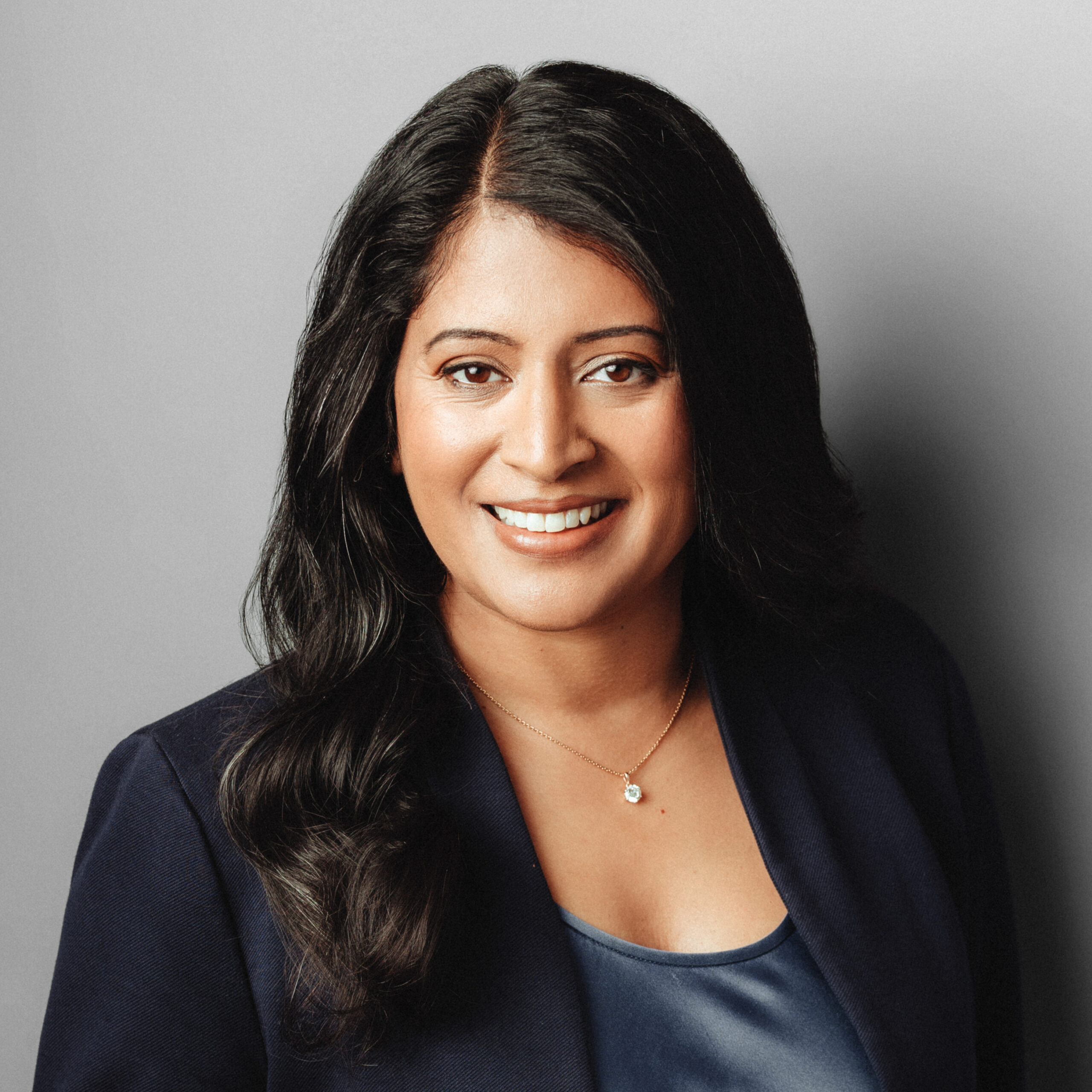
As part of a new, members-only series, Women Leading Travel & Hospitality is asking industry executives about their professional journeys, mentorship, how they stay up-to-date on the latest industry technology and trends, how they take care of themselves, and so much more. This week, insight comes from Sejal Amin, chief technology officer, Priceline. We asked Sejal a series of questions about her career journey, her leadership philosophy, the challenges she's faced as a woman in the male-dominated world of technology, and more.
Women Leading Travel & Hospitality: What is your leadership philosophy and how do you embody it?
Sejal Amin: My leadership philosophy centers around fostering a collaborative environment built on open communication, where everyone feels empowered to share their ideas and expertise. Leadership comes from everywhere. As leaders, it's the very core of our jobs to ensure that leadership happens at all levels. Therefore, I work to create an atmosphere where people understand the value of their contributions.
I strive to lead by example, showing my commitment to development and transparency. I’m a huge proponent of the power of active listening, setting clear expectations, providing constructive feedback, and celebrating successes together. I also prioritize continuous learning and growth for the team to achieve our shared goals.
WLT&H: How do you ensure your teams feel included, valued and empowered to bring their authentic selves to work?
SA: I strongly believe that happy and informed humans bring their best selves to work every day, which is why I have a people-first approach. At the heart of this is information. Context is everything — it’s our job to create context for each other, which then has the impact of making people feel as though they belong. There are three important practices that create those conditions:
- Create a healthy flow of information to all levels of the organization to improve the quality of decisions and build trust.
- Listen to all levels of the organization to better understand the work environment, then use that information to continually make improvements.
- Provide feedback and teach others to do the same because it’s the core of building trust and respect in any working environment.
WLT&H: What innovative strategies or technologies do you see shaping the future of the industry?
SA: Conversational and agentic artificial intelligence are poised to significantly shape the future of the travel industry. While technological advancements are happening rapidly, there’s still some way to go before these tools reach a level of maturity and widespread consumer adoption to impact different types of travelers in the most useful ways.
We’re seeing early strides with personalized recommendations through chatbots, like Priceline’s Penny, and new agentic integrations with tools such as OpenAI’s Operator. Early adopters are benefitting from customized planning advice, real-time updates while traveling, and “always on” customer service.
The current technology is exciting and becoming increasingly more context-sensitive and relevant every day. I’m excited to see the ongoing development as the industry continues to simplify trip planning and enhance the overall travel experience through AI.
WLT&H: How do you approach succession planning and developing future leaders within your organization?
SA: To identify future leaders, I look for individuals who consistently exhibit key leadership traits such as initiative, communication skills, teamwork, adaptability, and learning agility. This evaluation should occur at all organizational levels where a succession plan for a managerial role is relevant. Once potential leaders are identified, we take a strategic approach to their development by creating a personalized development plan in collaboration with each individual. This plan includes mentoring, 360-degree feedback, professional development, and stretch assignments that challenge them and promote growth. Stretch assignments are especially critical. While these opportunities may be uncomfortable at times, they enable people to learn and grow from new experiences that they otherwise might not have had. Continuous investment in this process by both the individual and the organization is essential for achieving successful outcomes.
WLT&H: There are so few female chief technology officers at U.S. companies — what challenges have you faced as a woman in a male-dominated field like technology, especially as you rose to the C-suite?
SA: Women in technology still face a range of challenges despite progress being made in the industry. Some of the challenges include gender bias, lack of representation, and a lack of access to leadership opportunities. Unfortunately, due to the gender bias in the tech industry, one of the challenges I faced years ago was the lack of sponsors which could have had an accelerating impact on my growth. This put me at a disadvantage in terms of career growth and advancement because I missed out on being considered for new opportunities and professional development. Recognizing that I had to chart my own course, I had to put a huge amount of effort into building that sponsor network, raising my hand for opportunities, finding my way into the right conversations, and continuing to manage those relationships as I navigated my career. I would highly recommend dedicating the time and effort into maintaining both a sponsor and mentor network because it could make a significant difference to your growth.
Are you a C-suite woman in the travel and hospitality industry? We’d love to feature you! Reach us at wlt@skift.com.