
What it Takes to Be a Female Firebrand
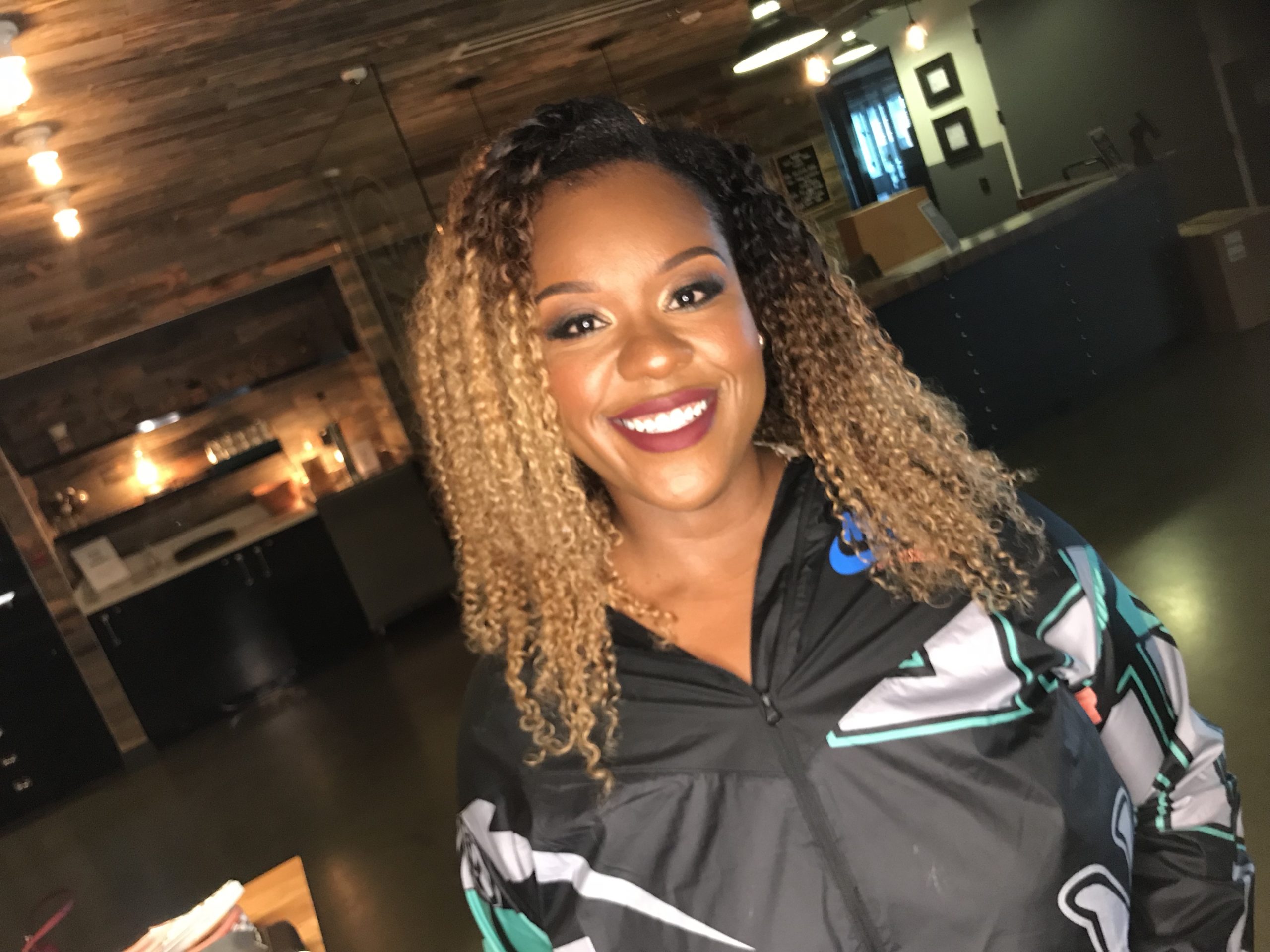
I’m fortunate to be surrounded by successful women, including founders, CEOs, nonprofit and social impact leaders. When I started thinking about women I wanted to interview for my book, “Female Firebrands: Stories and Techniques to Ignite Change, Take Control, and Succeed in the Workplace,” I quickly jotted down 25 names before pausing to define what being a firebrand means to me. After deciding on 13 women to feature in the book, I created my own definition of firebrand; one that defined them, and the one that I aspire to myself.
The dictionary definition of a firebrand is "someone who kindles mischief or inflames passions." The word drew me in because of its spark. Even if you don’t know the exact meaning, you can picture just the kind of woman it describes. Firebrands are successful in a way that goes far beyond professional or financial achievements. A female firebrand is an inspiring woman, who is mission-driven and cares about the future of all women and girls. Firebrands work and live with purpose. They're fierce, vocal advocates for themselves and others.
It’s an unfortunate reality that women have to deal with obstacles at work that most men don’t. This includes but is not limited to being interrupted, talked over, underpromoted, held to higher standards, and being the target of “little indignities” (aka, microaggressions). Each of the firebrands had to overcome her own challenges. They all had stories of “hot moments” when they experienced an unexpected behavior or remark that left them speechless.
One thing the firebrands learned over time was how to recognize and prepare for inappropriate comments. Whether they happen in private or in public, knowing how you want to show up and respond in the moment is a sound way to avoid the alternative, which is thinking of all the things you wish you’d said and done when it’s too late. Firebrand Cheryl Ingram — who is a Black woman; diversity, equity, and inclusion (DEI) consultant; and founder/CEO of two companies — told me this story that I found shocking.
“I was giving a presentation to a leadership team at a large company. There were nine people in the room — three white women, five white men, and me. My presentation explained what it would take to run a DEI audit in their company. It was an hour long, and they didn’t have very many questions. At the end of the meeting, a man, the vice president, stood up and said, "That was one of the best DEI presentations I’ve ever seen when it comes to an audit. You’re a lot smarter than you look.”
Cheryl was appalled, momentarily stunned into silence, and thought to herself, "Did he really just say that? She looked at him and scanned the room, where most of the heads were down. Cheryl weighed her options; if she said nothing, she might get the account, and if she said something, she might not. She chose to speak up. Are you ready for it? She told the vice president:
“So here I am thinking that you could be racist, sizeist or sexist. Whatever you think about me visibly, I’m wondering what triggered you. What made you think that it was OK to say that? It’s never ever OK to say something like that to anyone, and I hope that in the future you don’t.”
The room fell silent, and then after a long pause one woman in the crowd spoke up. “Yeah, we should stop saying that to people in our company.” The vice president turned red, apologized and walked out of the room. That same woman approached Cheryl and said, “That’s not the first time he’s said that. It happens frequently, and you’re the first person who has ever spoken up to him. You empowered me to do the same, and I really appreciated that.”
Cheryl didn’t get that account, but that was OK with her. After the way he behaved, who would want it? She did, however, serve as a role model and inspiration to every person in that room who had silently tolerated the VP’s caustic verbal attacks without speaking up.
Cheryl has spent years practicing for hot moments, and is one of my role models for how to respond in difficult situations. We can all learn from her example, even by taking just one step toward our own courageous and authentic style of confronting bias and inappropriate remarks.