
Insight From the C-Suite: Leeny Oberg, Chief Financial Officer, Marriott International
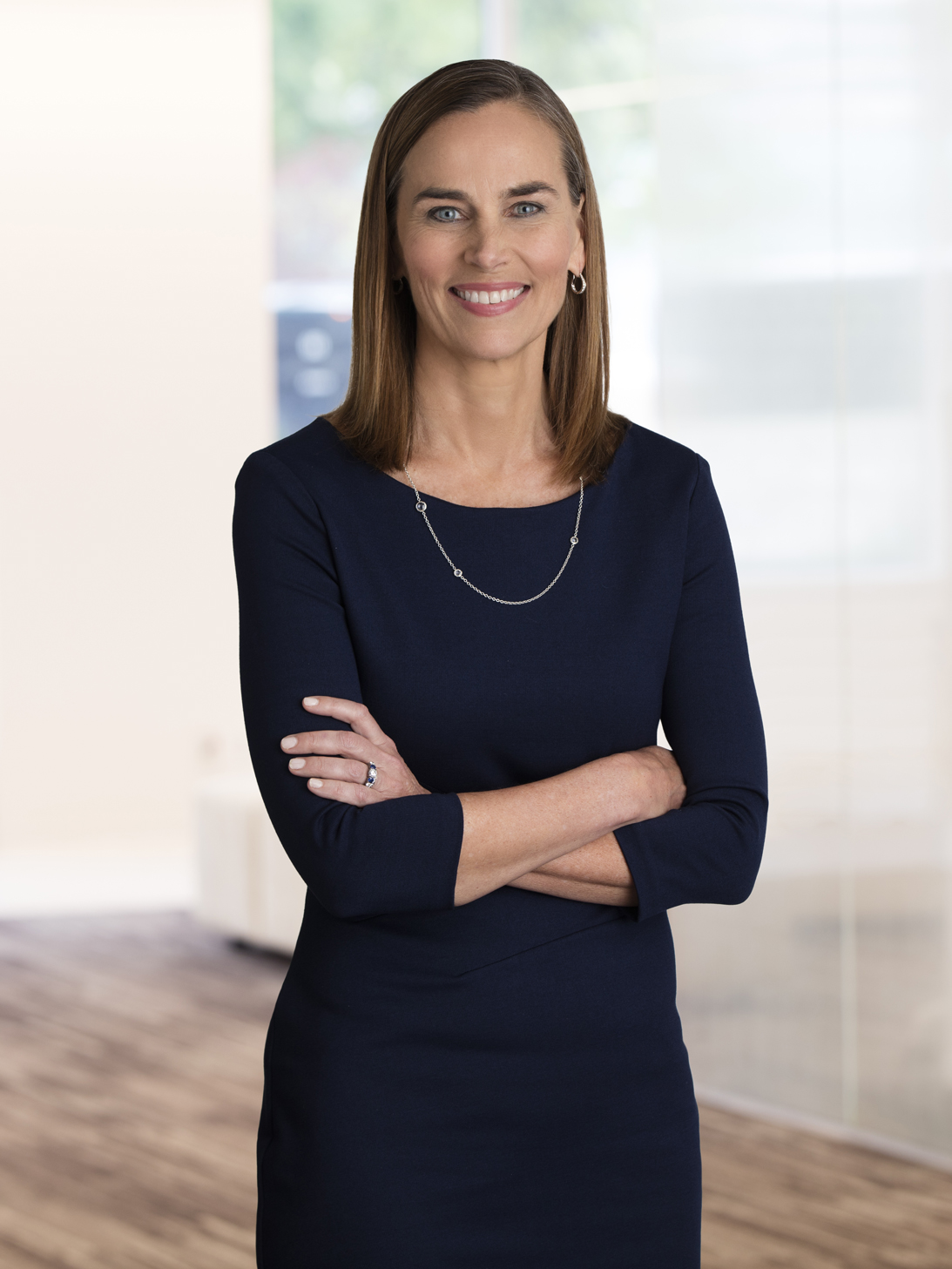
Photo Caption: Portraits
As part of a new, members-only series, Women Leading Travel & Hospitality is asking industry executives about their professional journeys, mentorship, how they stay up-to-date on the latest technology and trends, how they take care of themselves, and so much more. This week, insight comes from Leeny Oberg, chief financial officer and executive vice president, development, Marriott International.
How do you define and communicate your long-term vision for both your personal leadership journey and the success of your organization?
Marriott’s culture has been defined by its core values for nearly a century — put people first, pursue excellence, embrace change, act with integrity, and serve our world. These values have served as universal guideposts for leaders throughout the organization. Our founders believed that if you take great care of associates, they will take care of the customer, and customers will come back — enabling the business to thrive. I’ve found that focusing on our core values helps me make better decisions. I also believe that strong leadership includes approachability and good listening skills. At any level in an organization, there are always opportunities to learn from your team.
Describe a situation where you encouraged innovation or took a calculated risk in your role. How do you foster a culture that embraces creativity and risk within your team or organization?
I have the responsibility and opportunity to ensure we have access to the financial resources needed to drive our chosen business strategies in a way that maximizes value for our key stakeholders — associates, owners and franchisees, investors, suppliers, and customers. Consistent embrace change, we’re constantly listening to our customers to inform our innovation journey and looking around the corner to position Marriott for long-term, sustainable growth. One example where we saw tremendous opportunity was our 2016 acquisition of Starwood Hotels and Resorts, making us the largest hospitality company in the world. As part of the integration process, we knew revitalizing the iconic Sheraton brand in North America needed to be a top priority for the company. To underscore our commitment to the brand transformation, we spent $255 million to purchase and then renovate the 1,000-room Sheraton Grand Phoenix hotel. While this move ran counter to our asset-light business model, it was an important signal of our commitment to the brand’s evolution. The renovation went extremely well, and we recycled our invested capital by selling the hotel to a third-party owner with a long-term Sheraton management agreement. It has become a great example of our vision for the brand and encourages investment in other Sheraton hotels, which elevates the brand’s performance. We’re always looking for ways to embrace change and empower associates to listen to our key stakeholders, challenge the status quo, and innovate. Mr. Marriott, our chairman emeritus, always says “success is never final” and our teams around the world embrace that challenge.
Share an example of a successful cross-functional collaboration you led. How do you build and sustain effective relationships with peers and stakeholders across the organization?
A recent cross-functional collaboration I’m proud of is our entry into the affordable midscale lodging segment, a new tier for Marriott. In studying demand trends and talking with our owners and franchisees, our development and insights teams led the initial analysis that identified tremendous opportunity in this segment to attract new customers in new markets. From there, we worked in lockstep with continent teams and global development, design, operations, legal, brand, communications and finance to introduce regionally relevant lodging products to meet the needs of both customers and owners and franchisees in several key regions around the world, including City Express by Marriott in the Caribbean and Latin America, StudioRes in the U.S. and Canada, and Four Points Express by Sheraton in Europe, the Middle East and Africa. As with any relationship, communicating openly and listening is vital to building trust and achieving mutually beneficial outcomes. Our culture of listening to our associates, customers and owners and franchisees has helped us anticipate stakeholder needs and deepen our longstanding partnerships.
What steps do you take to champion diversity and inclusion within your organization, and how do you ensure that your leadership team reflects a broad range of perspectives and backgrounds? How do you measure those efforts?
I joined Marriott in 1999 in investor relations and was hired by a woman who was committed to ensuring women and people of color were represented in finance roles. She set a great example for me and I’m proud that today over 60 percent of my global finance team is women and more than half of my direct reports are women and/or people of color. I recognize the tremendous value of diverse ideas and perspectives and their impact on achieving outstanding business outcomes. As a company, our purpose is to connect all people through the power
of travel. We’re committed to providing access to opportunity and fostering a culture of inclusion. Our commitment starts at the top with our senior leaders, including myself, who establish strategies and priorities that drive accountability throughout the organization. I’m actively engaged with our board of director-led inclusion and social impact committee that ensures accountability and monitors the company’s progress on the integration of diversity, equity and inclusion in all aspects of the business. More than half of our board of directors are either women or people of color, and we have enterprise-wide goals in place to achieve gender parity at the vice president level and above. Beyond growing talented women leaders within our organization, supporting our community of diverse owners is an equally critical objective for the company. In 2022, we launched Marriott’s Bridging the Gap, a multiyear $50 million development program designed to meaningfully increase diverse ownership at Marriott among historically underrepresented groups. We’ve announced the first 19 projects receiving financial support through the program.
Are you a C-suite woman executive in travel and hospitality? We’d love to feature you! Reach us at wlt@skift.com.